


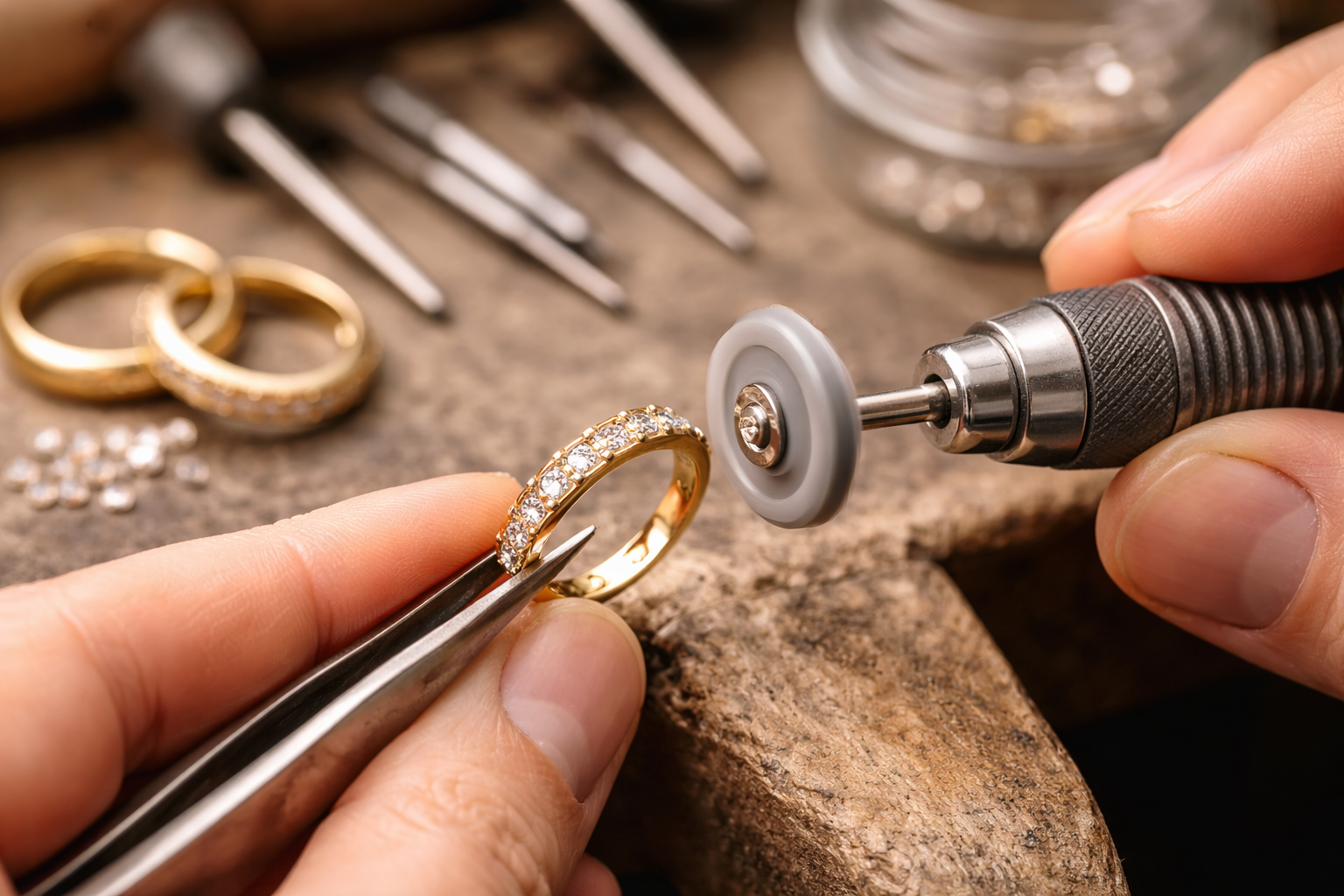
Choosing the right manufacturing partner is one of the most important decisions a jewelry brand can make. The relationship affects product quality, delivery timelines, costs, and brand reputation. For businesses planning to scale or maintain consistent standards over time, working with a dependable gold jewelry manufacturer is not just a sourcing choice—it’s a long-term business strategy.
A strong partnership goes beyond placing orders. It requires trust, alignment, and the ability to grow together. Knowing what to evaluate before committing can prevent costly mistakes later.
Start With Manufacturing Capabilities
The first step is understanding what the manufacturer can actually produce. Not all gold jewelry manufacturers offer the same range of services. Some specialize in simple designs, while others handle complex settings, custom molds, or mixed materials.
Review their product portfolio carefully. Look at the types of jewelry they produce, the level of detail in their work, and whether they can support future design expansion. A manufacturer that meets only your current needs may limit your growth later.
Ask direct questions about production limits, customization options, and how they handle new designs.
Evaluate Material Sourcing and Quality Standards
Gold quality is non-negotiable. A reliable manufacturer should be transparent about where materials come from and how purity is verified. This includes clarity on gold karat options, alloy composition, and quality checks during production.
Request documentation when possible. Consistent quality control systems show that the manufacturer takes responsibility seriously. Without this, quality can vary from batch to batch, which damages brand credibility.
Long-term partners should be able to maintain the same standards as volumes increase.
Review Craftsmanship and Finishing
Craftsmanship is often what separates average jewelry from pieces customers return to buy again. Look closely at finishing details such as polishing, stone setting, clasp strength, and symmetry.
Small flaws become bigger problems when products reach customers. Ask for physical samples and inspect them carefully. Consistent finishing across multiple samples is a strong indicator of production reliability.
A manufacturer that values craftsmanship will also be open to feedback and refinement.
Understand Production Capacity and Scalability
A manufacturer that works well for small orders may struggle when demand grows. Ask about monthly output capacity, lead times, and how they handle increased order volumes.
Scalability matters for long-term partnerships. If a manufacturer cannot grow with your business, you may be forced to switch partners later, which often leads to delays and quality inconsistencies.
Clear communication about capacity helps avoid surprises during peak seasons or product launches.
Assess Communication and Responsiveness
Strong communication is one of the most overlooked factors in manufacturing partnerships. Delayed responses, unclear answers, or inconsistent points of contact can slow down operations and create frustration.
Pay attention to how the manufacturer communicates early on. Are questions answered clearly? Are timelines realistic? Do they explain issues rather than avoid them?
Long-term partnerships require problem-solving, not perfection. Reliable communication builds trust when challenges arise.
Check Experience With Long-Term Clients
Manufacturers with long-term clients usually understand the importance of consistency and reliability. Ask how long they have worked with existing partners and what types of brands they support.
Experience with repeat clients suggests stability. It also indicates that the manufacturer can maintain quality, pricing, and delivery standards over time.
If possible, request references or case examples that show how they handle ongoing relationships.
Pricing Transparency and Cost Structure
Price matters, but it should not be the only factor. Extremely low pricing often comes at the expense of quality, materials, or labor practices.
A trustworthy manufacturer explains pricing clearly. This includes material costs, labor, mold fees, and any additional charges. Transparent pricing helps you plan margins accurately and avoid unexpected increases.
For long-term partnerships, stability and predictability are often more valuable than the lowest quote.
Ethical Practices and Compliance
Ethical sourcing and responsible manufacturing are increasingly important, both for brand image and customer trust. Ask about labor practices, workplace conditions, and material sourcing standards.
Compliance with industry regulations and certifications adds another layer of reliability. Manufacturers who follow ethical guidelines are less likely to create risks for your brand in the future.
This is especially important if your brand positions itself as responsible or premium.
Flexibility and Problem-Solving Ability
No manufacturing process is flawless. What matters is how issues are handled. A good long-term partner acknowledges problems early and works toward solutions.
Ask how they handle defects, delays, or design adjustments. Flexible manufacturers are easier to work with as product lines evolve.
Rigid processes can slow innovation and create tension over time.
Logistics and Delivery Reliability
Production is only part of the process. Packaging, shipping, and delivery timelines also matter. Delayed shipments can disrupt launches and strain customer relationships.
Ask about shipping partners, packaging standards, and how delivery timelines are managed. Reliable logistics support smoother operations and reduce stress on your internal team.
Consistency here is key for long-term planning.
Think Beyond the First Order
Short-term testing orders are useful, but long-term success depends on alignment. Consider whether the manufacturer understands your brand goals, target market, and growth plans.
A good long-term partner is invested in your success, not just fulfilling orders. This often shows in their willingness to improve processes, suggest adjustments, and support future development.
Final Thoughts
Evaluating a gold jewelry manufacturer for long-term partnership requires more than comparing samples and prices. It involves understanding capabilities, quality standards, communication habits, and ethical practices.
The right partner supports growth, protects your brand reputation, and delivers consistency over time. Taking the time to evaluate these factors carefully can lead to a partnership that strengthens your business for years, not just a single season.
16 Comments
Pingback: ciprofloxacin dexamethasone
Pingback: lamotrigine
Pingback: doryx 40 mg
Pingback: tadalafil twice daily
Pingback: sildenafil citrate 100mg cenforce
Pingback: hims tadalafil reviews
Pingback: omeprazole relieve bloating
Pingback: propecia 1mg fiyat
Pingback: ketoconazole indication overview
Pingback: toradol pain relief complete guide
Pingback: toradol iv onset
Pingback: ivermectin patient questions
Pingback: minoxidil mechanism regrowth pathway
Pingback: avanafil absolute contraindications
Pingback: vardenafil priapism risk groups
Pingback: Sildenafil Variability Concepts